The Efficient Collection Systems Working Group of CREC visits Manresa to learn about its high-efficiency selective collection model
The day made it possible to analyze on site how the smart containers operate, share experiences among group members, and advance the CREC-led project analyzing high-efficiency collection systems.
The Efficient Collection Systems Working Group of CREC held a new working session in Manresa with the aim of gaining first-hand knowledge of the high-efficiency selective collection model that the municipality is rolling out. The meeting brought together representatives from companies, public administrations, and organizations linked to the waste sector to share knowledge, analyze data, and discuss the challenges and opportunities of new collection systems.
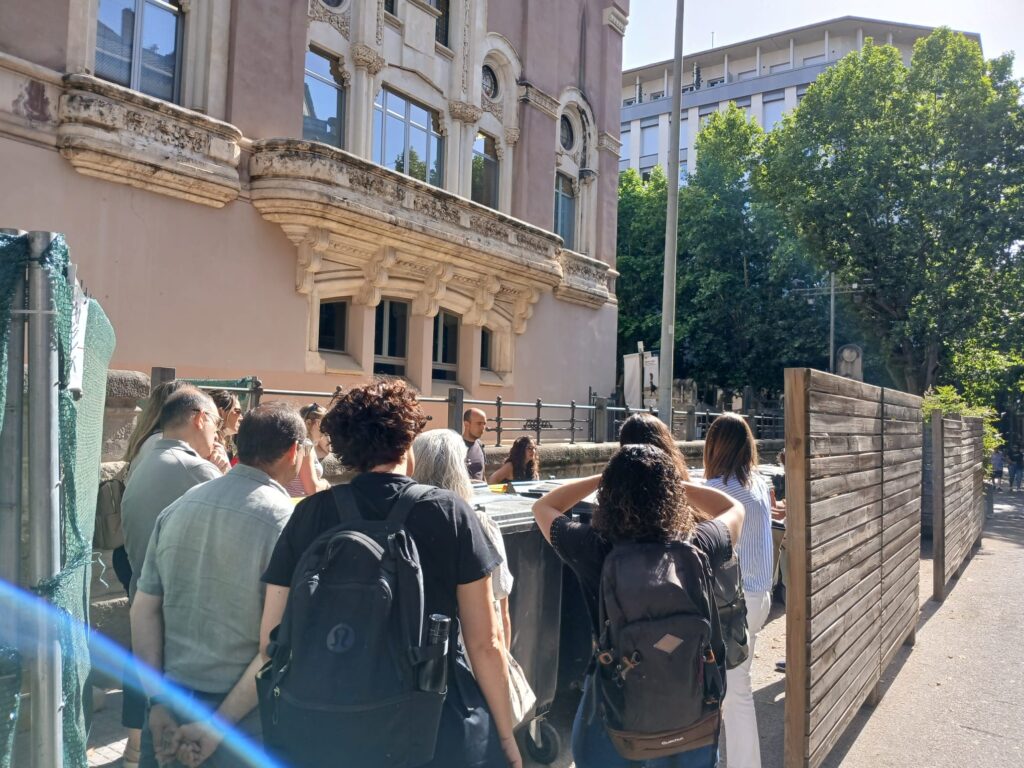
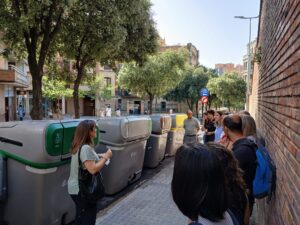
The day began with a technical visit to the smart container system implemented in the city. Participants were able to observe how the model operates, learn about the technological aspects that support it, and gain a deeper understanding of the keys to its implementation and daily operation.
The CREC Working Group on Efficient Collection Systems Visits Manresa to Learn About Its High-Efficiency Selective Collection Model
The event made it possible to analyze on-site how the smart container system operates, share experiences among group members, and advance the CREC-led project analyzing high-efficiency collection systems.
The CREC Working Group on Efficient Collection Systems held a new working session in Manresa with the aim of gaining first-hand knowledge of the high-efficiency selective collection model that the municipality is implementing. The meeting brought together representatives from companies, public administrations, and organizations linked to the waste sector to share knowledge, analyze data, and discuss the challenges and opportunities of new collection systems.
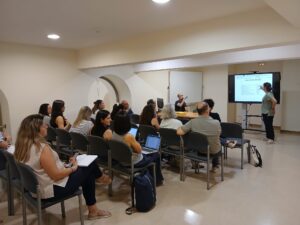
Afterward, the group members took part in a working session during which experiences were shared and various indicators related to high-efficiency selective collection systems were analyzed. The session also served to identify potential future lines of action and continue promoting collaboration among the different stakeholders that make up the group.
During the meeting, the current progress of the project “Analysis of High-Efficiency Collection Systems” was also presented. This initiative is being led by CREC together with the consortium formed by DATAMBIENT, ENT, and Entorna3. Socio-environmental Projects. The project aims to generate applied knowledge about the different collection models currently in use, evaluate their results, and provide useful tools to support decision-making at the municipal level.
CREC would like to especially highlight and thank the collaboration of the City Council of Manresa, both for the welcome extended to the participants and for the transparency shown in sharing information and data regarding the implementation and operation of the service. This willingness to share experiences contributes significantly to collective learning and the dissemination of best practices within the sector.
The Manresa model is of particular interest to the group’s members, as it combines the commercial door-to-door system with locked containers for the collection of municipal waste. This experience makes it possible to analyze the effectiveness of different management tools and provides valuable information for municipalities considering the implementation or improvement of their selective waste collection systems.
The event also included the participation of the companies involved in the project and in the provision of the service: FCC Medio Ambiente, responsible for the collection service; MOBA Spain, supplier of the technology associated with the smart containers; and Ros Roca, supplier of the containers.
With this new session, the CREC Working Group on Efficient Collection Systems continues to establish itself as a benchmark forum for knowledge exchange, technical reflection, and the promotion of innovative solutions that help improve selective waste collection results and advance toward the objectives of the circular economy.