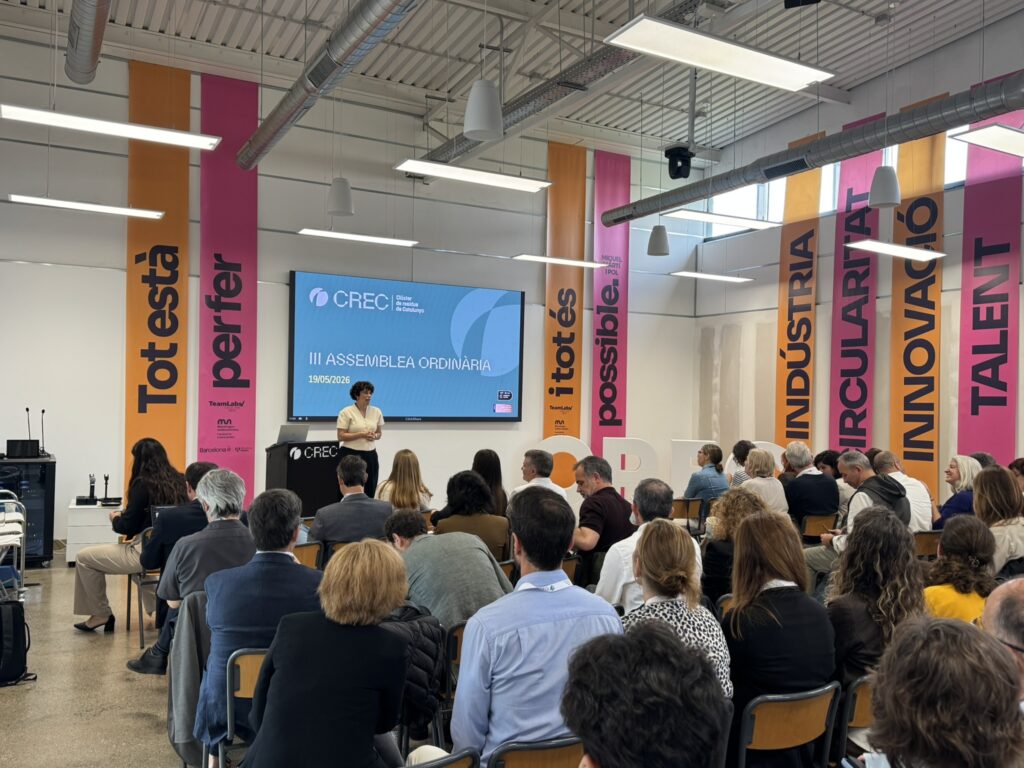
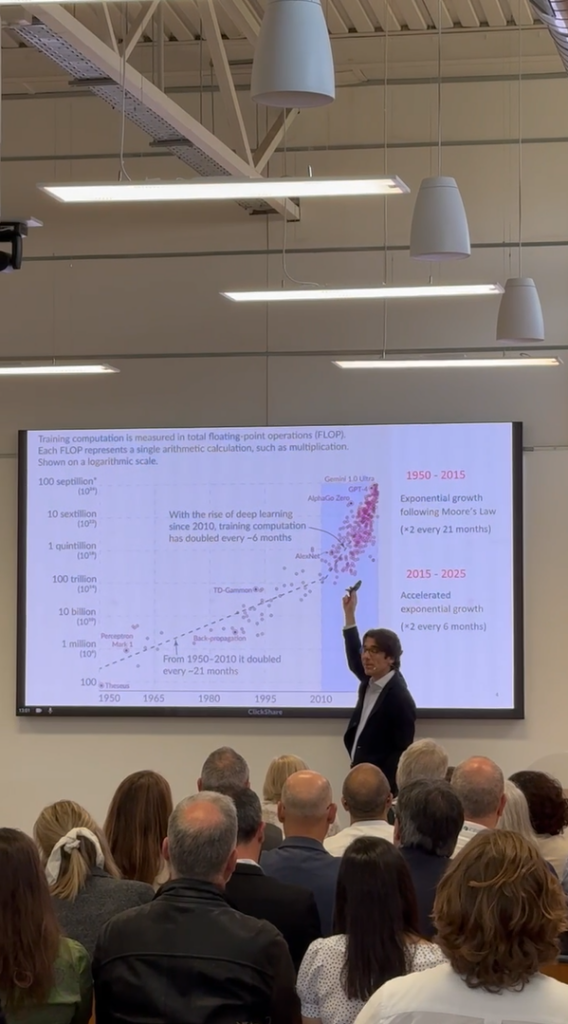
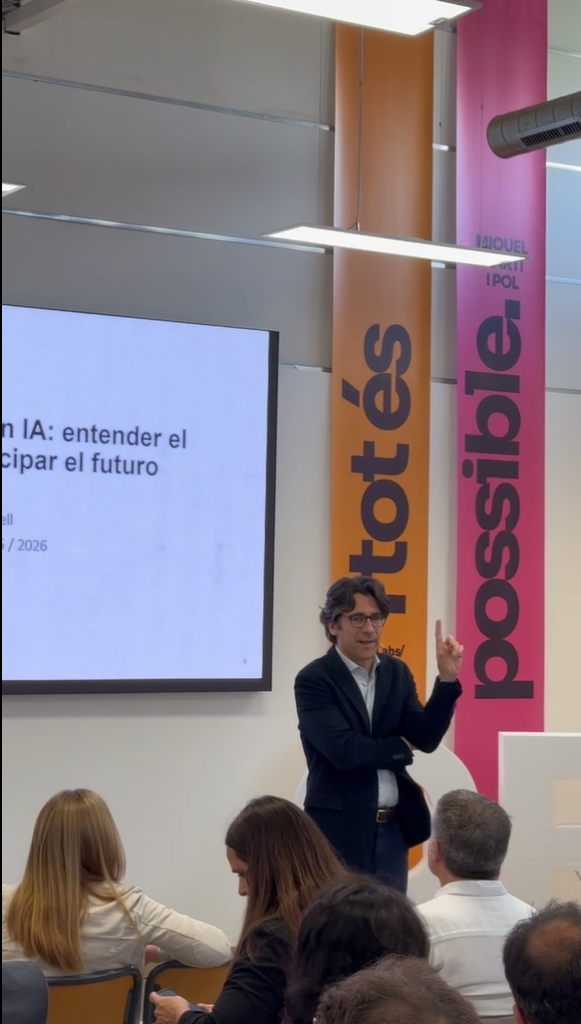
CREC held its 3rd General Assembly, a key event to share with members the cluster’s activity report, ongoing projects, and the strategic challenges that will shape the coming years. The meeting also included a new edition of the Innovation Day, featuring Pep Martorell, physicist, supercomputing expert, and ESADE professor, with the keynote speech “Making Decisions with AI: Understanding the Present to Anticipate the Future”.
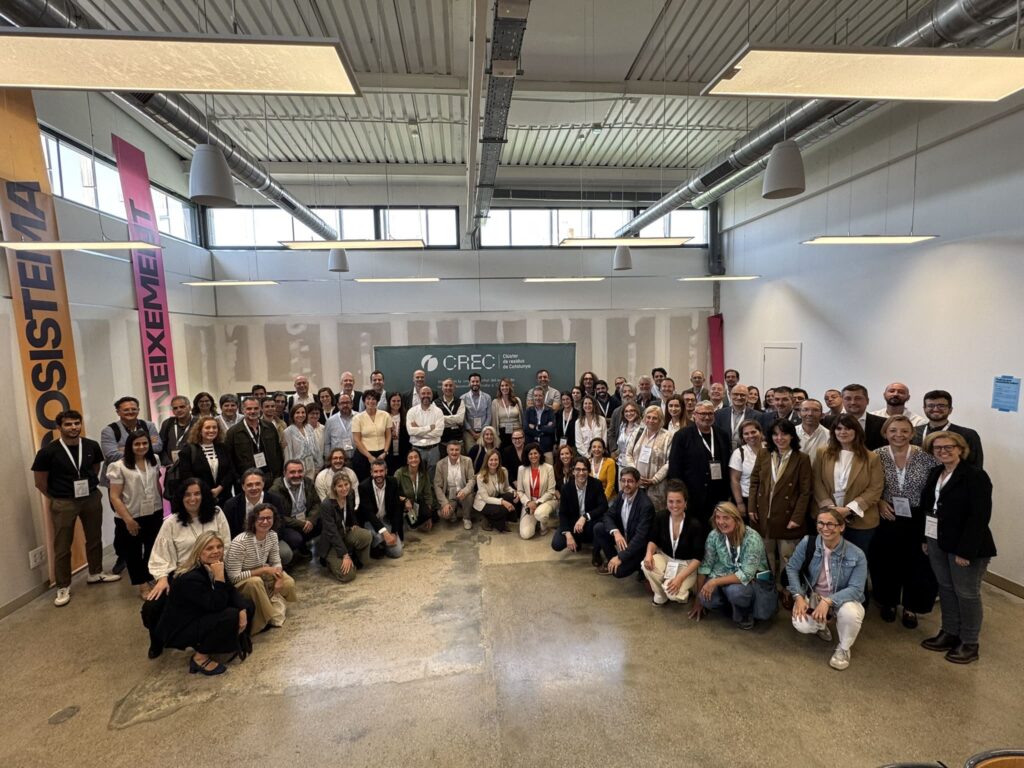
During the assembly, which attracted more than 90 participants, Elisabet Alier reviewed the main milestones achieved throughout 2025. CREC organized more than 33 activities involving over 1,100 participants, promoted sector-focused events, member visits, and networking opportunities, and continued strengthening its commitment to internationalization through initiatives such as the benchmarking trip to Germany and participation in Ecomondo.
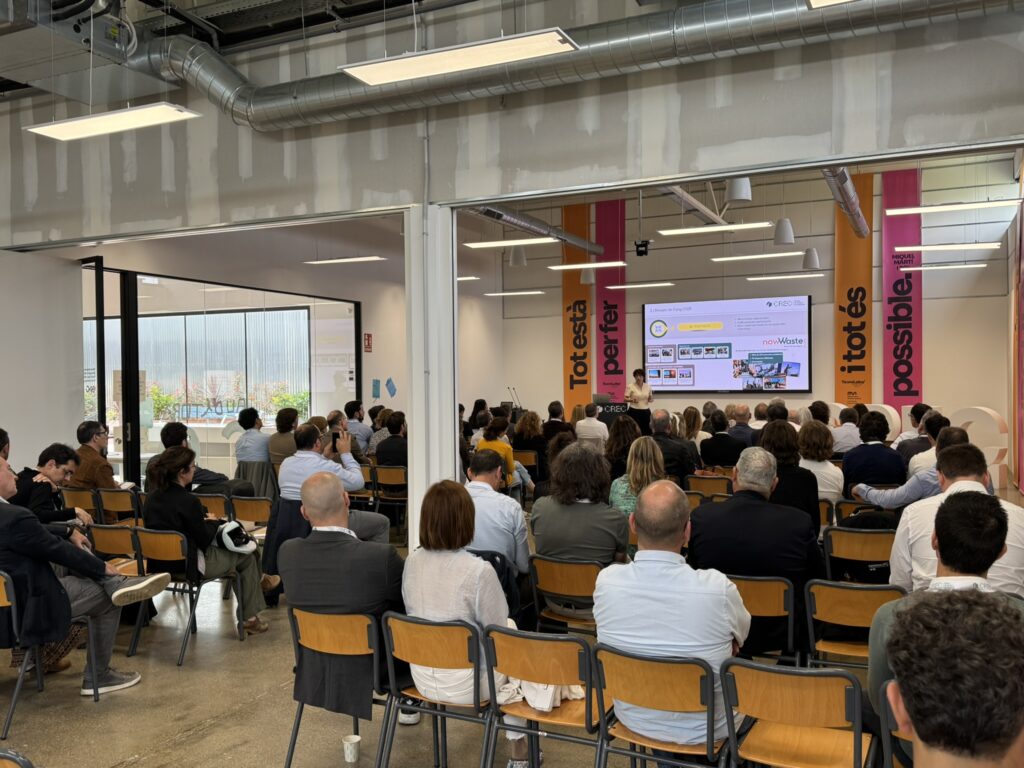
The collaborative projects currently being implemented for the 2025–2026 period were also presented. These projects focus on strategic areas such as textile circularity, critical raw material recovery, sludge valorization, efficient collection systems, and the management of social license in ecological transition projects.
One of the highlights of the event was the confirmation of the cluster’s continued growth, which has now reached 111 members and continues to expand its representation across the entire waste management and circular economy value chain.
The assembly also served to approve the 2025 annual accounts, the 2026 budget, the new action plan, and the association’s Code of Ethics, reinforcing CREC’s commitment to transparency, good governance, and the sustainable growth of the sector.
With the screening of a trailer, CREC introduced Veus Circulars, the cluster’s new audiovisual project. Veus Circulars is an educational audiovisual initiative on the circular economy that gives a voice to the different actors across the value chain—public administrations, manufacturers, waste managers, Producer Responsibility Organizations (PROs), and industry—to explain how collaboration enables more sustainable and circular models.
Through a series of audiovisual “capsules,” the project showcases real-life examples in which waste is transformed into a resource through design, traceability, innovation, and collaborative work among stakeholders. The official launch of the project will take place soon, and we will share more information shortly.
Innovation Day 2026
The event continued with the Innovation Day 2026, where Pep Martorell reflected on the role of artificial intelligence in strategic decision-making and in anticipating future challenges. The session highlighted how emerging technologies can transform organizations and create new opportunities for innovation within the waste management and circular economy sectors.
The event concluded with a networking session and lunch among members, once again reinforcing CREC’s role as a meeting point for collaboration, innovation, and sector development.
Want to watch the event highlights video? Don’t miss it!