
- The Waste Cluster of Catalonia (CREC) has led a pilot project to implement new circular economy business models in the construction and demolition sector, demonstrating the environmental benefits of waste segregation on construction sites, with CO₂ emissions reductions of up to 83%.
- The project received support from ACCIÓ (Department of Business and Labour) through €64,000 in funding from its competitiveness enhancement initiatives programme.
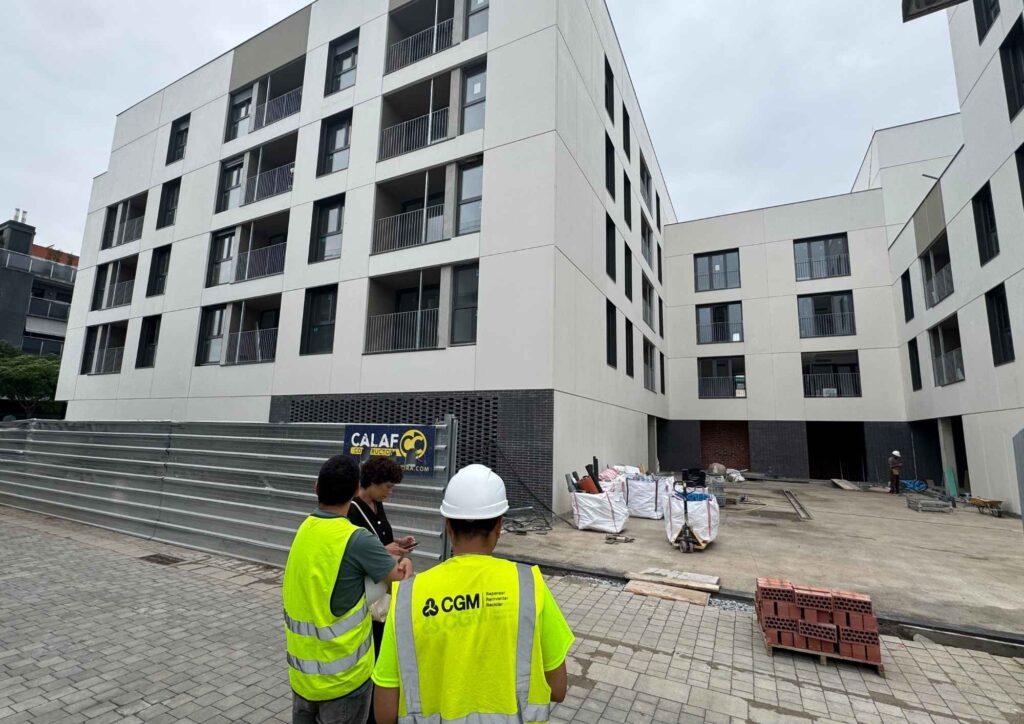
CREC developed this pilot project with the participation of Calaf Constructora, Centre de Gestió Mediambiental (CGM), and the specialist consultancies Eco Intelligent Growth (EIG) and Inèdit.
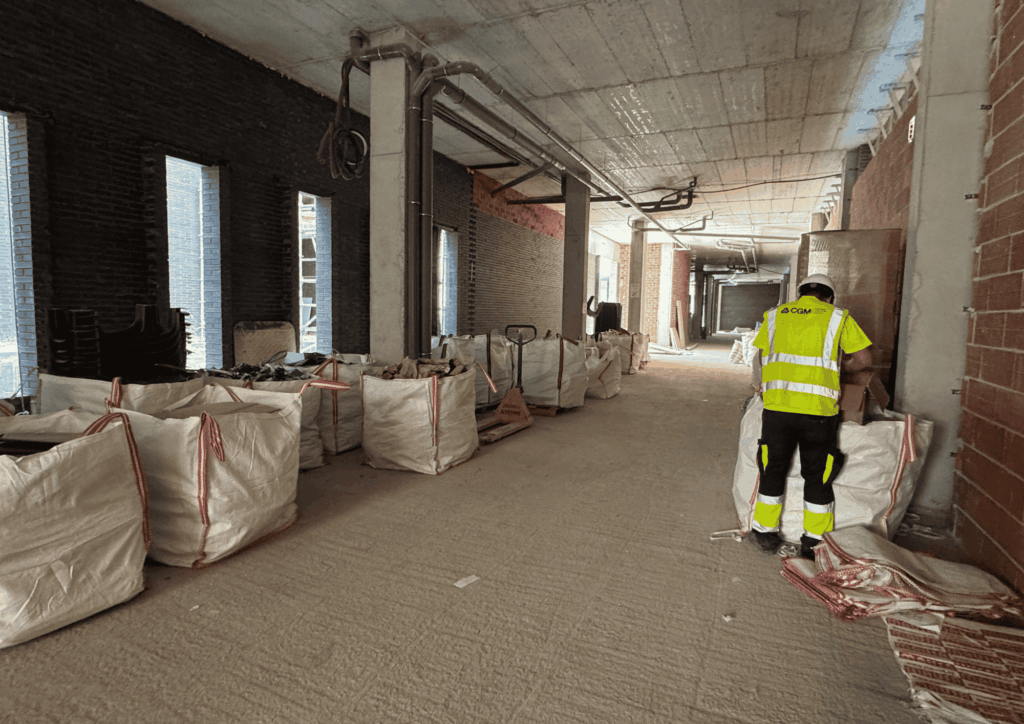
As the largest waste-generating economic activity in the European Union, accounting for 38% of total waste generation, the construction sector represents a key area for advancing circular economy solutions. To address this challenge, the project introduced the figure of the Waste Manager, responsible for overseeing the segregation of waste generated on-site.
This role, assigned to the project’s waste management operator rather than the construction company itself, is responsible for deciding which materials should be separated, coordinating waste recovery logistics, and training workers to facilitate proper segregation.
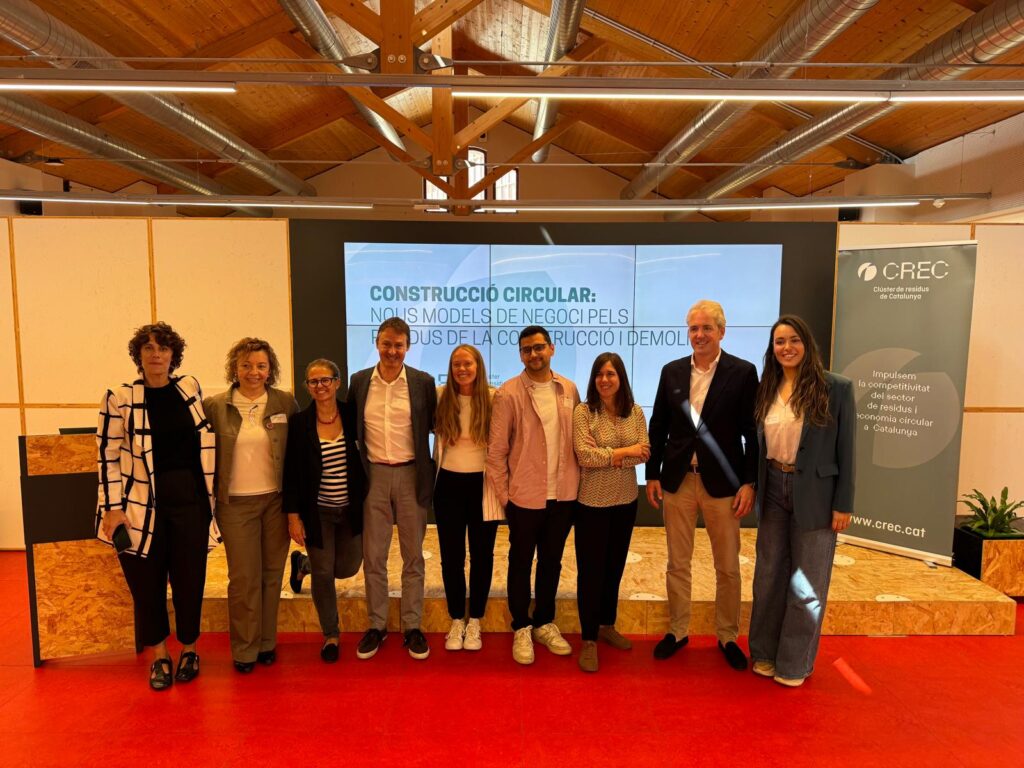
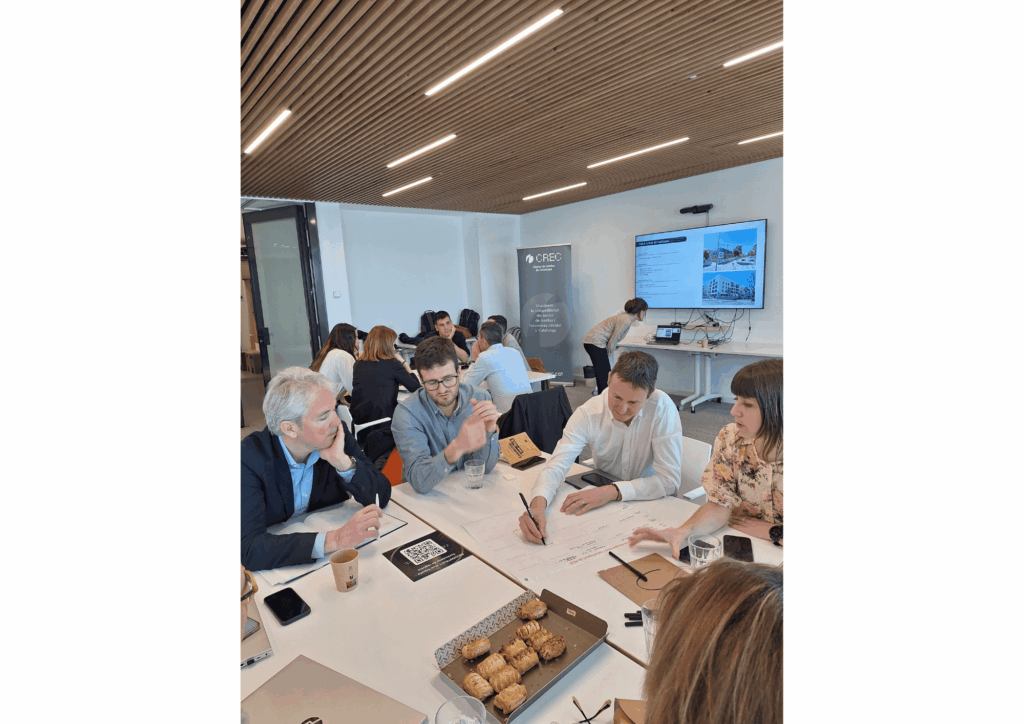
According to Carmen López-Quintana, Cluster Manager of CREC, “we need to work towards identifying circular business models and combining efforts to maximize their value.” She also highlighted that “a preliminary study was carried out with all stakeholders across the construction and demolition waste value chain to understand the types of materials and waste generated and how they can be efficiently recovered and reused.”
The pilot project, carried out on a construction site managed by Calaf Constructora and supported by a Waste Manager from CGM, demonstrated the effectiveness of a structured waste segregation system in improving waste recovery and valorisation.
Clàudia Lorente, Project Manager at CREC, emphasized that “although the economic cost increases slightly, it is more than offset by the environmental, social, and strategic benefits, particularly in a context where both society and legislation will increasingly demand this approach.”
The project’s conclusions highlight the importance of the Waste Manager role in ensuring consistent and organized waste segregation, facilitating coordination, regulatory compliance, and greater consistency in waste streams, while generating benefits for construction companies, waste management operators, and society as a whole.
More information about the project here.
-
Read the full articles at:
