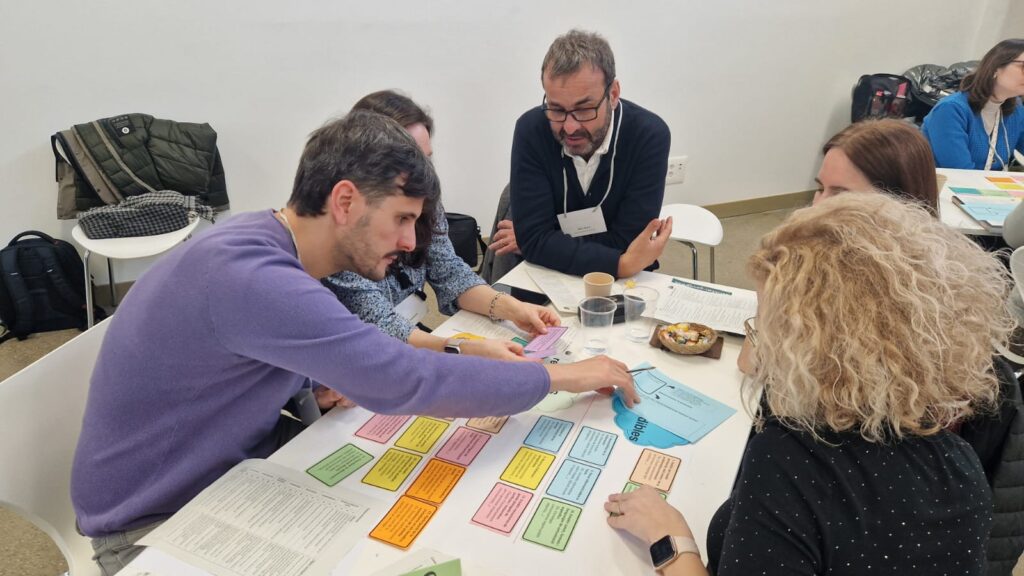
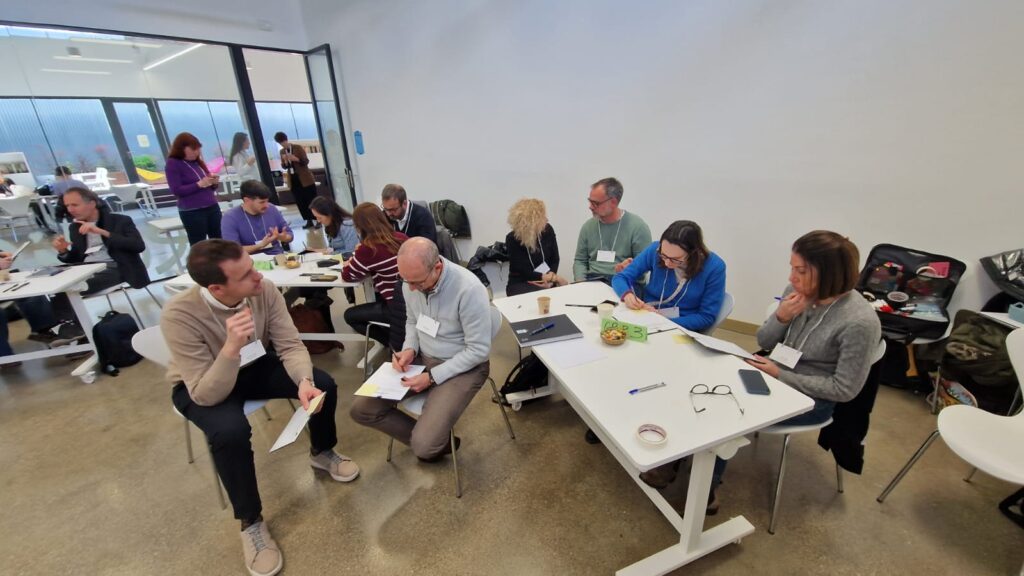
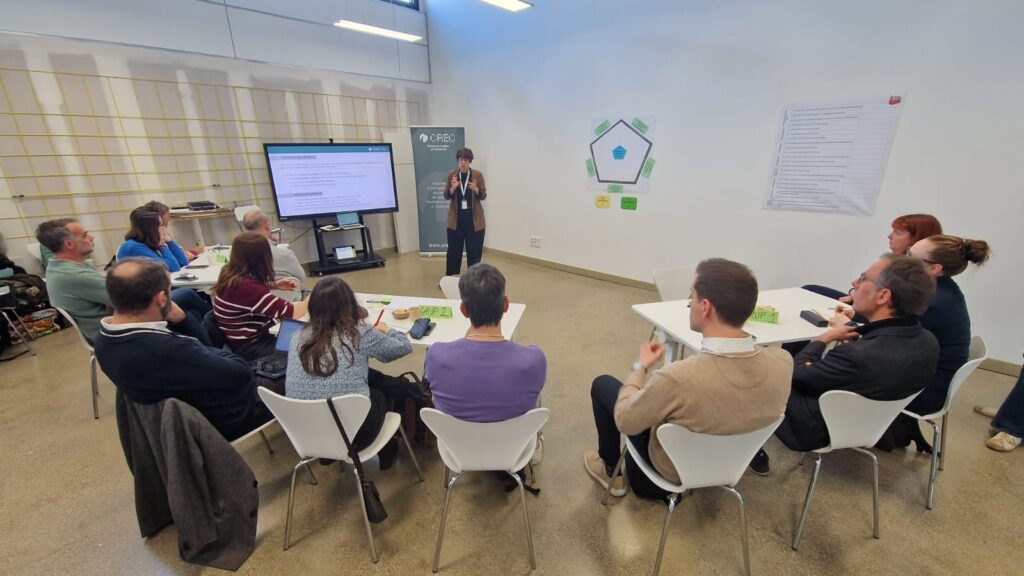
At the CREC offices, we held the second workshop on Social Licence, a highly productive working session that brought together different stakeholders involved in the project.
This session forms part of the project on the management of Social Licence and the territorial integration of ecological transition projects in Catalonia, which we are developing jointly with the Bioenergy Cluster of Catalonia and the Energy Efficiency Cluster of Catalonia. The aim of this initiative is to advance the understanding and management of social licence processes linked to ecological transition projects, while promoting better territorial integration and fostering more constructive relationships among the various stakeholders involved.
This project addresses one of the key challenges of the green transition: social opposition to bioenergy plants, waste treatment facilities, and renewable energy projects. Local resistance, often driven by a lack of transparency, insufficient public participation, and the spread of misinformation, can lead to delays, increased costs, and even the cancellation of strategic infrastructure projects.
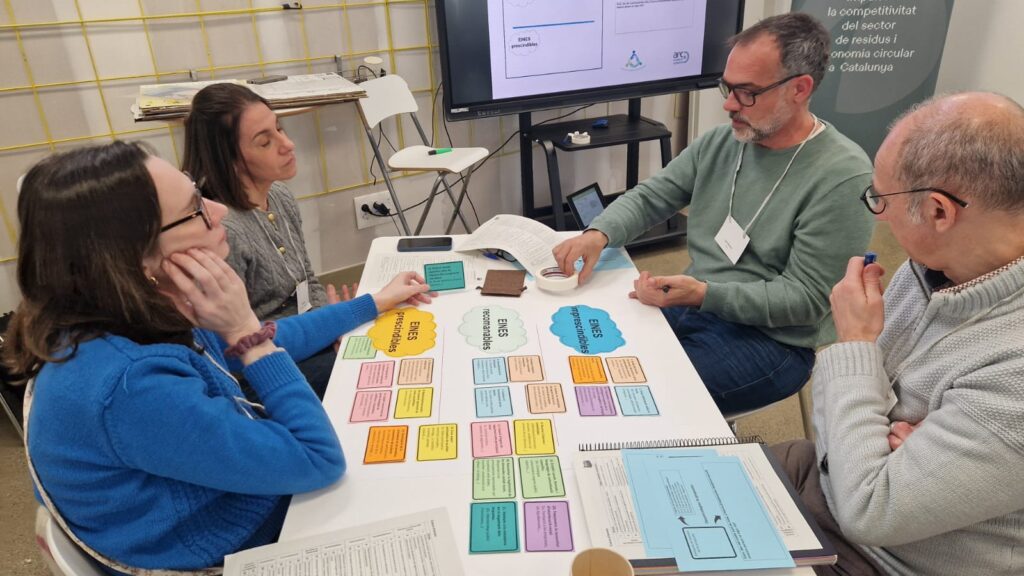
During the workshop, participants worked together to assess the “concern thermometer” surrounding the social licence processes faced by companies within the CREC network. This exercise provided an opportunity to share perspectives on the main challenges associated with these processes and to gain a better understanding of where each organization currently stands in addressing them.
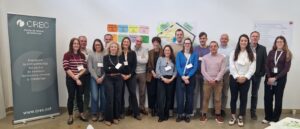
Based on this collective exercise, participants identified key areas of action that are essential for advancing the management of social licence, as well as the areas where organizations require greater support, tools, or knowledge to address these processes more effectively and with greater confidence.
The session created a highly valuable space for dialogue among companies and sector stakeholders, enabling participants to share experiences, concerns, and potential avenues for collaboration.
At CREC, we would like to thank all participants for their commitment and valuable contributions, which are helping to build a collective perspective on this important challenge.
We look forward to meeting again soon for the next workshop, where we will continue working together to shape the future direction of this project.
More information about the project:
🔗 https://www.crec.cat/projecte/llicencia-social/